Driving 101: Preparing for Your Teenager’s First Lesson
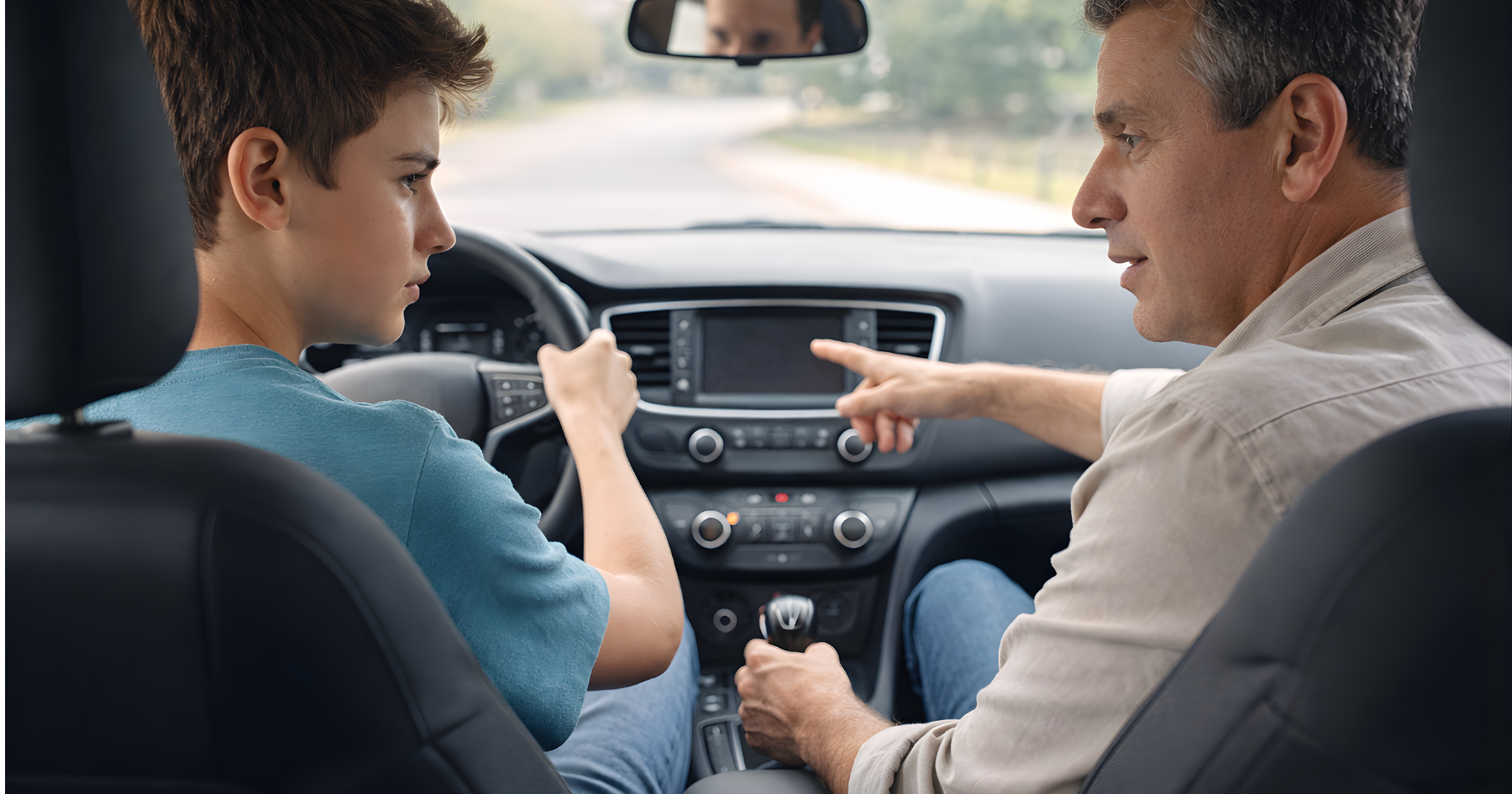
Your teenager’s first driving lesson is booked. Now what?
Most parents feel a mix of pride and nerves at this point. Your teen probably feels the same. Here is what to expect and how to ensure the first lesson goes as smoothly as possible.
Pick the Right Driving School
Not all driving schools are equal. Two things matter most:
Local knowledge: Choose a school that operates in your area and knows the local test routes. Instructors who teach on the same roads your teen will be tested on can cut weeks off the learning process.
Instructor fit: Your teenager will spend hours in a small space with this person. While they don’t need to be best friends, a calm and patient instructor can significantly impact whether a teen looks forward to lessons or dreads them. If the first instructor is not the right fit, switch early. Do not wait.
What Happens in the First Lesson
The first lesson is not about driving. It is about orientation.
Meeting the instructo: Your teen will hand over their provisional license, go through some paperwork, and get familiar with the car. The instructor will explain how they track progress and what to expect over the coming weeks.
The cockpit drill: Before the engine starts, your teen will learn the routine they will repeat every single time they get into a car: adjusting the seat, setting the mirrors, checking the handbrake, and understanding where every control is. This procedure becomes automatic over time, but on day one it takes a few minutes.
A quiet location: First lessons almost always happen in low-traffic areas. An empty car park or quiet industrial estate. Your teen will not be driving through town centers or busy roundabouts on day one. Expect slow, controlled movements in a safe environment.
The Basics They Will Learn First
Three things dominate the first few lessons:
Moving off: The first lesson focuses on getting the car moving smoothly from a standing start. This means learning to balance the clutch and accelerator, which is harder than it sounds.
The P.C.M. routine: Preparation, Compliance, and Manoeuvre. This is the sequence for safely pulling away from a parked position. Your teen will hear these instructions repeated often.
Stalling: It will happen. Probably more than once. Such an occurrence is completely normal. Every driver who learned on a manual car stalled it in the early days. A good instructor will treat it as routine, not a failure.
How You Can Help at Home
Your role between lessons matters more than you might think.
Do not over-coach from the passenger seat. If you take your teen out for practice drives, keep instructions simple and your voice calm. Contradicting the instructor’s methods creates confusion.
Talk about driving in everyday moments. When you are driving together, point out what you are doing and why. “I’m checking my mirrors before changing lanes.” “I’m slowing down here because the road narrows.” This normalizes the decision-making process before they have to do it themselves.
Manage expectations. Learning to drive takes most people 40 to 50 hours of professional instruction plus private practice. It is not a quick process. Remind your teen that progress is not always linear. A bad lesson does not erase a good one.
Build their confidence outside the car too. Driving is one of several big independence milestones during the teenage years. The confidence your teen builds in other areas, from handling social situations to managing their time, feeds directly into how they handle pressure behind the wheel. If you are looking for practical ways to support that broader development, this guide on parenting teenage boys covers communication, confidence, and independence in detail.
What Not to Worry About
Speed. They will not go fast. First lessons are about control, not speed.
Mistakes. The instructor expects them. Your teen should expect them too. Every mistake is data, not failure.
Other drivers. The instructor will handle any tricky situations. Your teen’s only job is to listen and focus on the basics.
After the First Lesson
Ask your teen how it went, but do not interrogate them. A simple “How did you find it?” is enough. Let them share what they want to share.
If they are buzzing, great. If they are quiet or frustrated, that is fine too. The first lesson is a lot to take in. Please allow them some space to process it.
The goal is not perfection on day one. The goal is showing up for lesson two.
Tag:Basic Driving Manoeuvres, Building Driving Skills, Driving Instructor Advice, Driving Lesson Essentials, Driving School Tips, First Driving Lesson, Learning to Drive Safely, New Driver Guide, Parental Guidance Driving, Preparing for Driving Test, Safe Driving Practices, Teen Driver Education, Teen Driving, Teen Driving Confidence, Teen Driving Experience

You may also like
-

How to Handle an Angry Child (Without Making It Worse)
2 April, 2026 -

Healthy Eating for Kids: A Practical Guide for Parents
2 April, 2026