Why Every Child Should Learn to Ride a Bike (And How to Get Them Started)
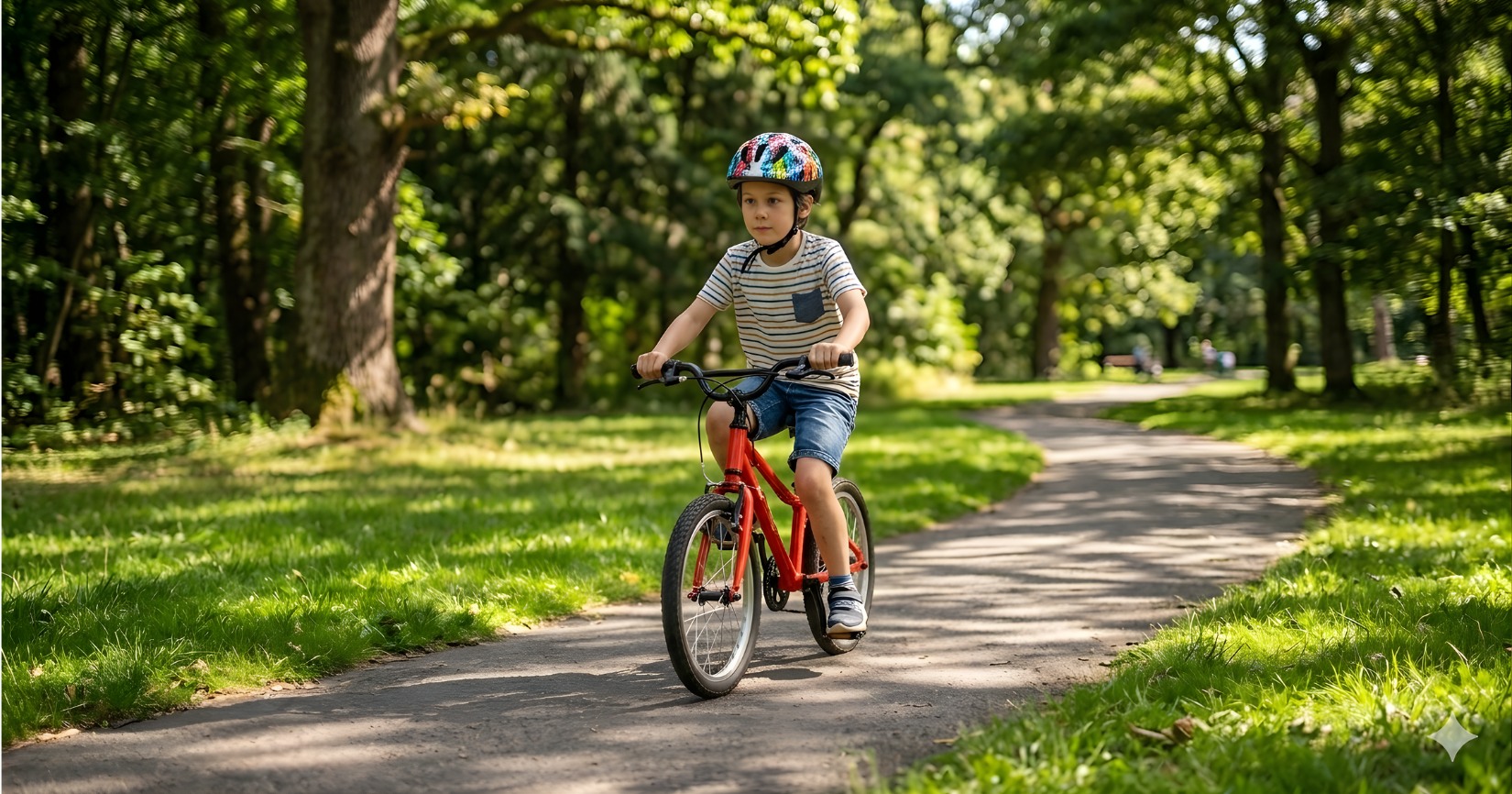
A child on a bike is a child in motion. There is no screen, no schedule, and no structured activity required. Just pedals, fresh air, and the kind of freedom that builds confidence faster than almost anything else in childhood.
Cycling is one of the few activities that improve physical health, develop practical life skills, and give children genuine independence, all at the same time. And it costs very little once you have the bike.
The Health Benefits Are Significant
Cycling is a full-body workout disguised as fun. Most children do not think of it as exercise, which is precisely why it works.
Cardiovascular fitness. The British Heart Foundation identifies cycling as one of the most effective forms of aerobic exercise for all ages. For children, regular cycling strengthens the heart, improves lung capacity, and helps maintain a healthy weight. With childhood obesity rates in England at roughly one in five children by the time they leave primary school (NHS Digital, National Child Measurement Programme), any activity that gets children moving consistently matters.
Muscle development and coordination. Cycling works the legs, core, and back simultaneously. It also develops balance and coordination in ways that are difficult to replicate with other activities. The combination of steering, pedalling, and braking builds neural pathways that support physical confidence across other activities for younger children who are still developing their motor skills.
Bone health. Weight-bearing movement supports bone density during the years when children’s skeletons are still growing. While cycling is lower impact than running, the resistance involved in pedalling, especially uphill, contributes to healthy bone development.
It Builds Mental Health and Resilience
Cycling has well-documented mental health benefits. A 2021 study published in the International Journal of Environmental Research and Public Health found that children who regularly engaged in outdoor physical activity, including cycling, showed lower levels of anxiety and improved mood compared to sedentary peers.
Why cycling works for mental well-being:
- It gets children outdoors. Natural light and green spaces consistently reduce stress in children.
- It provides a sense of achievement. Learning to ride, then riding further, then riding faster. Each step builds self-belief.
- It offers unstructured time. Unlike organised sports with rules and schedules, a bike ride can be aimless. That unstructured freedom is increasingly rare in children’s lives and increasingly valuable.
It Teaches Real-World Skills
A child on a bike is making dozens of small decisions every minute. When to brake. How fast to take a corner. Whether that car has seen them. How to navigate a route from memory.
Road sense and responsibility: Bikeability, the UK government-backed cycling proficiency programme delivered in most primary schools, teaches children how to ride safely on roads. It covers traffic awareness, signalling, road positioning, and hazard recognition. If your child’s school offers Bikeability (most do from Year 5), take advantage of it. The training is free and delivered by qualified instructors. You can check availability at bikeability.org.uk.
Independence: A bike is often a child’s first real taste of unsupervised freedom. Riding to a friend’s house, cycling to the park, eventually commuting to school. Each step builds the kind of practical independence that carries through into the teenage years. If you are thinking about how to gradually increase your child’s independence as they grow, this post on raising teenage boys covers the broader principle of earning trust through responsibility.
Environmental awareness: Children who cycle regularly develop an intuitive understanding that not every journey requires a car. That awareness, formed early, tends to stick.
How to Get Your Child Started
The progression from first bike to independent rider follows a fairly predictable path. Here is what to expect at each stage.
Balance Bikes (Ages 2 to 4)
Skip the stabilizers. A balance bike (no pedals, no chain) teaches a child the most important cycling skill first: balance.
Children push themselves along with their feet, learning to coast, steer, and stay upright before they ever need to think about pedalling. Research and instructor experience consistently show that children who start on balance bikes transition to pedal bikes faster and with more confidence than those who learn with stabilisers.
What to look for: A lightweight frame (under 4kg if possible), adjustable seat height, and pneumatic (air-filled) tyres rather than solid ones. Solid tyres are cheaper but offer less grip and a rougher ride.
First Pedal Bikes (Ages 4 to 6)
Once your child can balance and coast confidently on a balance bike, they are ready for pedals. The transition is often surprisingly quick, sometimes within minutes.
Fit matters more than brand. When seated on the saddle, your child should be able to place the balls of both feet flat on the ground. They should be able to comfortably reach the handlebars and squeeze the brake levers with enough force to stop. A bike that is too big is harder to control and destroys confidence.
Wheel size: 14 to 16 inches for this age group.
Middle Bikes (Ages 6 to 9)
This is where children develop real riding skills. They learn to use gears, handle different surfaces, and ride for longer distances.
Wheel size: 20 inches typically.
Key considerations:
- Lightweight frames make a bigger difference than you might expect. A heavy bike tires a child out quickly and makes hills feel impossible.
- Hand brakes should be easy to reach and operate. Test this in the shop before buying.
- If your child is riding to school or in low-light conditions, fit lights and reflectors from the start. Build the habit early.
Larger Bikes (Ages 9 to 12+)
By this stage, your child’s bike choice starts to reflect what they want to do with it.
Road bikes suit children who ride on tarmac most of the time, whether commuting to school or riding for distance. Lighter frames and narrower tyres make them efficient on smooth surfaces.
Mountain bikes suit children who ride off-road, on trails, or across mixed terrain. Wider tyres, suspension forks, and more robust frames handle bumps and mud. These are also the most versatile option if your child rides on a mix of surfaces.
BMX bikes suit children drawn to tricks, skate parks, and short, high-energy riding. They are tough, low-maintenance, and fun, but not designed for long distances or commuting.
Hybrid or cruiser bikes suit casual riders who want comfort for neighbourhood riding and short trips. Upright seating position, wider saddles, and simple gearing.
Wheel size: 24 to 26 inches depending on the child’s height.
Essential Safety Gear
Helmet: Non-negotiable. Every ride, every time. Look for helmets that meet the EN 1078 safety standard (the European standard, marked on the helmet). The helmet should sit level on the head, cover the forehead, and fit snugly without pinching. Replace it after any impact, even if there is no visible damage.
Lights. A white front light and red rear light are a legal requirement in the UK when cycling after dark. Fit them even if your child only rides during the day. Conditions change, evenings draw in, and the habit should already be in place.
Visibility: A high-visibility vest or reflective strips on the bike and clothing make a significant difference, especially on darker winter mornings during the school run.
Lock: If your child is riding to school or leaving their bike anywhere unattended, a decent lock is essential. A cable lock is lightweight and sufficient for low-risk areas. A D-lock is heavier but far more secure.
Getting the Right Size
A common mistake is buying a bike your child will “grow into.” An oversized bike is harder to control, heavier to handle, and less enjoyable to ride. Your child will ride less, not more.
Quick fit test:
- Saddle height: both feet should touch the ground (balls of feet, not tiptoes) when seated.
- Standover height: with both feet flat on the ground while standing over the frame, there should be at least 2 to 3 centimetres of clearance between the frame and your child.
- Reach: arms should be slightly bent when holding the handlebars, not fully stretched or cramped.
Most bike shops will fit your child for free. Use that service. It takes five minutes and avoids an expensive mistake.
Where to Buy Without Overspending
Children outgrow bikes. You don’t need to invest a fortune in a bike that will only last 18 months before you need a larger size.
Options worth considering:
- Second-hand. Facebook Marketplace, Gumtree, and local cycling groups often have well-maintained children’s bikes at a fraction of the retail price. Check the brakes, tyres, and chain before buying.
- Cycle-to-school schemes. Some schools and employers offer bike purchase schemes. Check with your child’s school or your workplace.
- Bike recycling projects. Many local councils and charities refurbish donated bikes and sell them at low cost. Search “bike recycling project” plus your town name.
- Decathlon, Halfords, and Frog Bikes all offer reliable children’s bikes at reasonable price points. Frog Bikes in particular are designed specifically for children (lighter frames, child-proportioned components) and hold their resale value well.
The Bottom Line
A bike is one of the best investments you can make in your child’s health, confidence, and independence. It does not need to be expensive. It does not need to be complicated. It just needs to fit properly, be safe to ride, and be available when your child wants to use it.
Start where your child is. A balance bike in the garden. A first pedal ride around the park. A trip to school with you riding alongside. Each ride builds something that lasts far longer than the bike itself.

You may also like
-
How to Handle an Angry Child (Without Making It Worse)
2 April, 2026 -
Healthy Eating for Kids: A Practical Guide for Parents
2 April, 2026